
Discover Turkmenistan's wild canyons, ancient cities, and modern skylines
From the flame-lit Darvaza crater to the striped cliffs of Yangykala and the white marble avenues of Ashgabat, Turkmenistan blends nature and history into one sweeping landscape.

Welcome to Turkmenistan
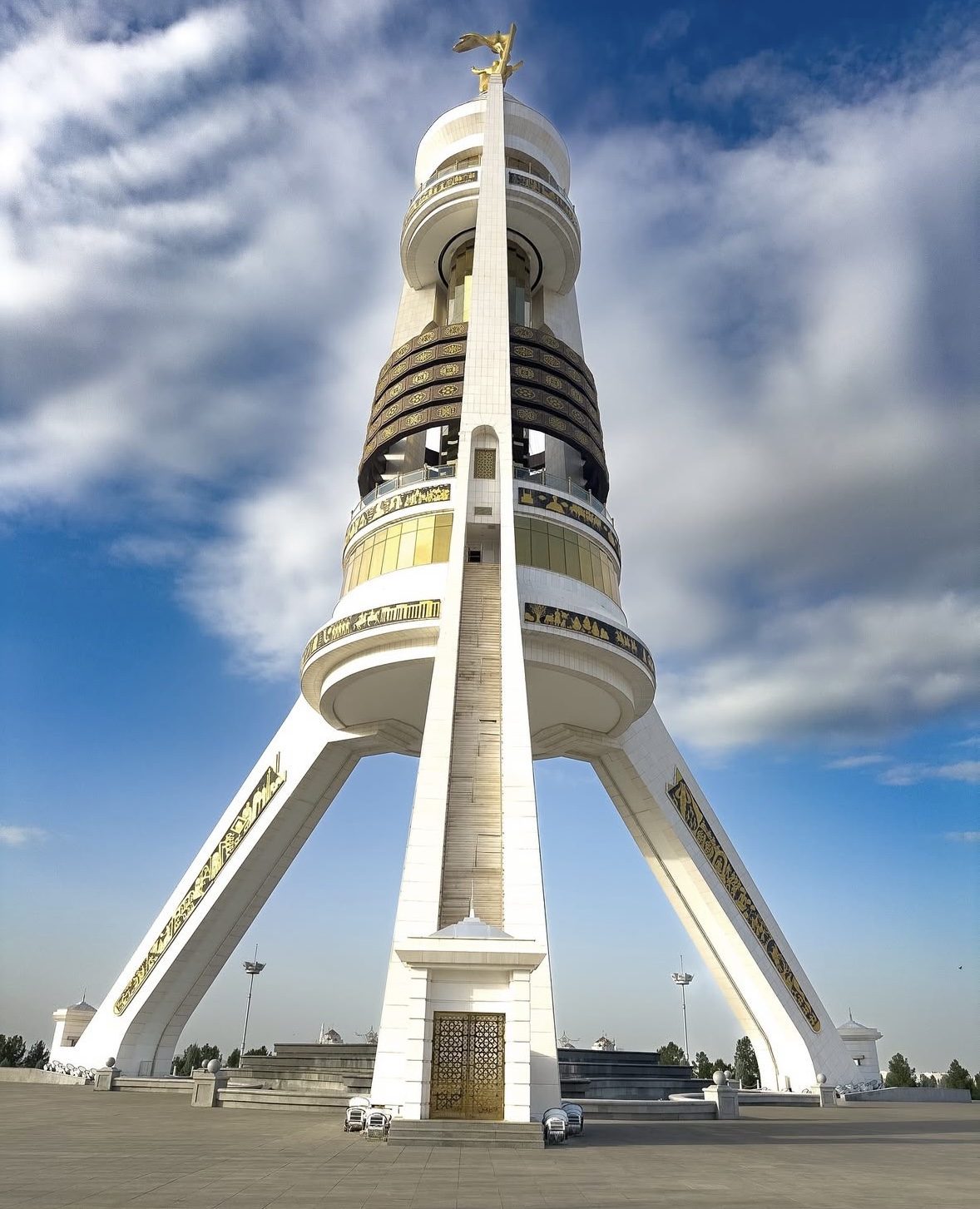
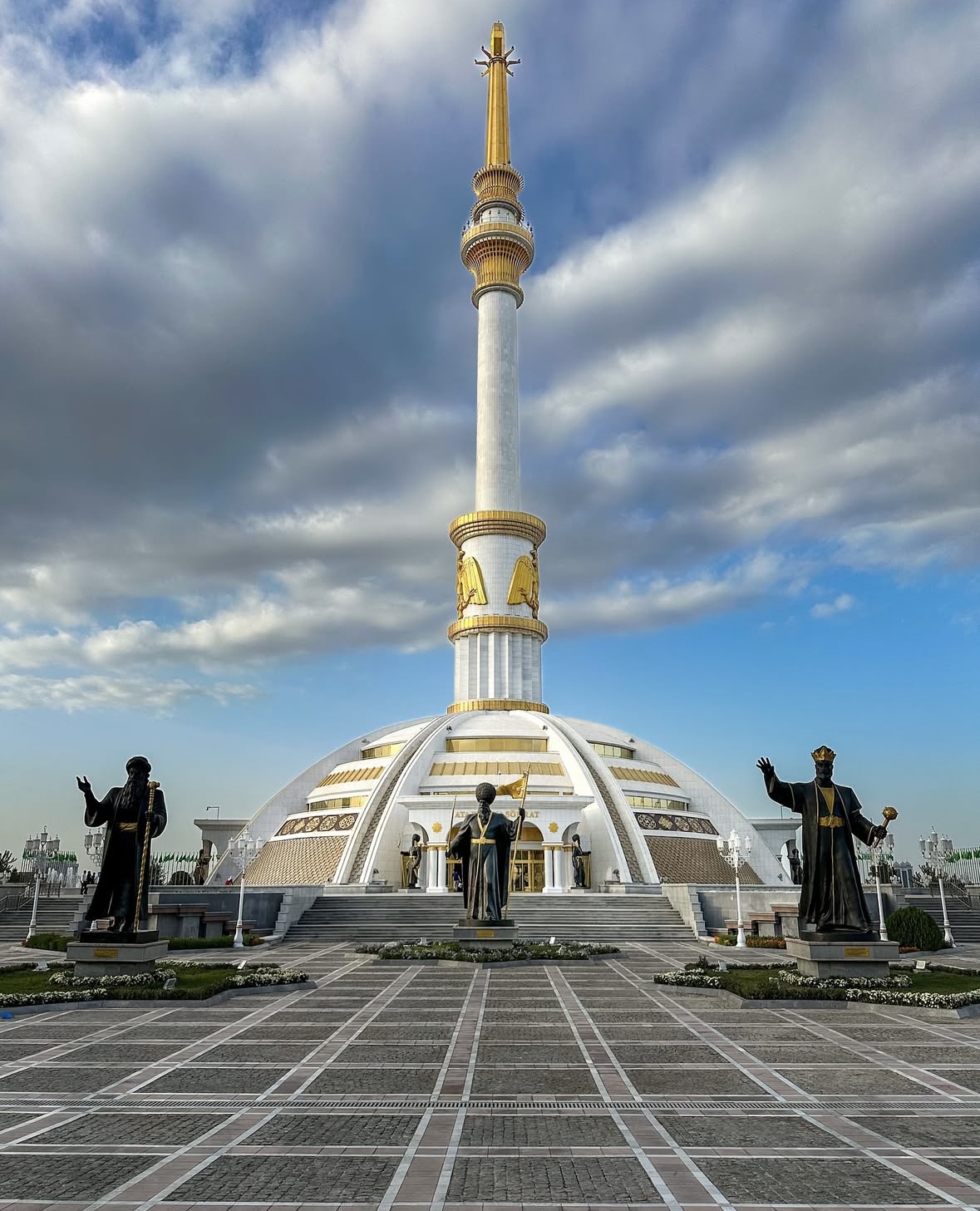
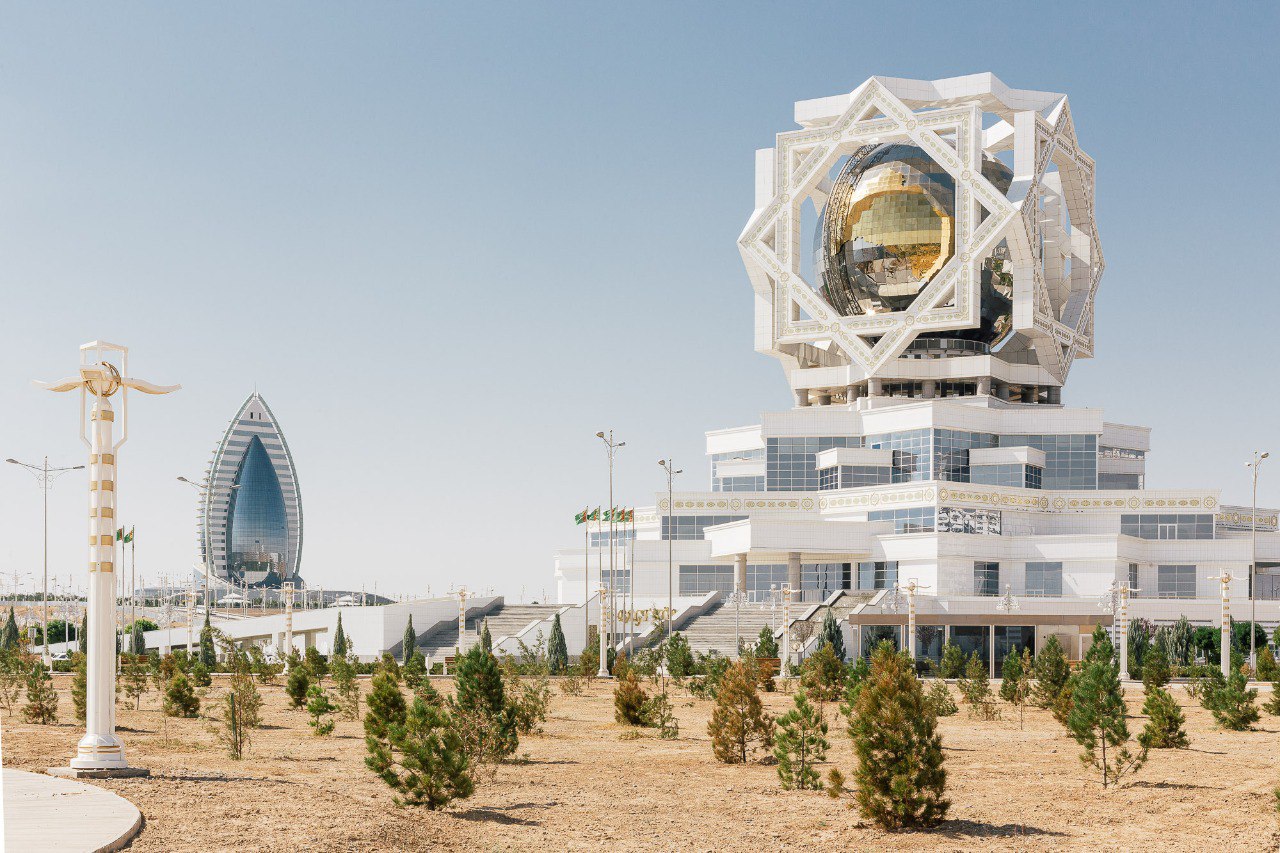
Ashgabat, the white-marble capital of Turkmenistan, blends ancient Turkmen heritage with striking modern architecture. The city’s reconstruction after the 1948 earthquake shaped its spacious boulevards and elegant layout. Today, it is known worldwide for its gleaming government buildings and monumental public squares. Independence Square features grand statues and fountains that reflect the nation’s identity. The Neutrality Monument rises above the city as a symbol of Turkmenistan’s unique political path. Museums across Ashgabat highlight the region’s Silk Road history and archaeological treasures. The Turkmenbashi Ruhy Mosque, one of the largest in Central Asia, showcases intricate designs and cultural motifs. Lush parks and illuminated fountains fill the city with color, especially in the evening. Ashgabat’s bazaars offer traditional carpets, jewelry, and handmade crafts. The city hosts festivals celebrating music, dance, and equestrian traditions. At night, Ashgabat glows with thousands of lights, creating a surreal atmosphere. The blend of modern design and cultural pride is visible at every corner. Its wide streets provide a sense of calm and order. Ashgabat continues to evolve while remaining deeply connected to its past. For visitors, it offers a unique and memorable introduction to Turkmenistan.
Darvaza Gas Crater
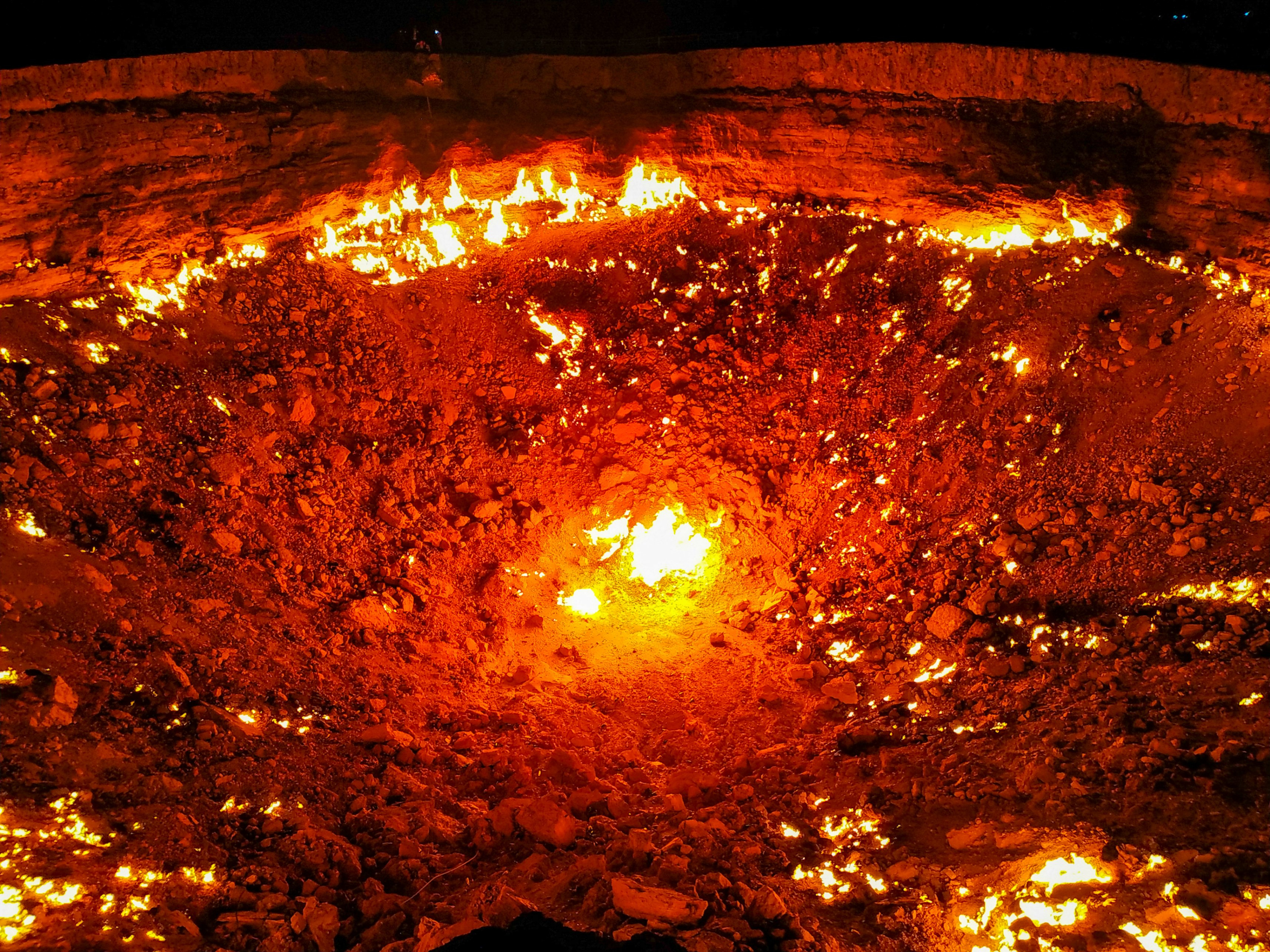
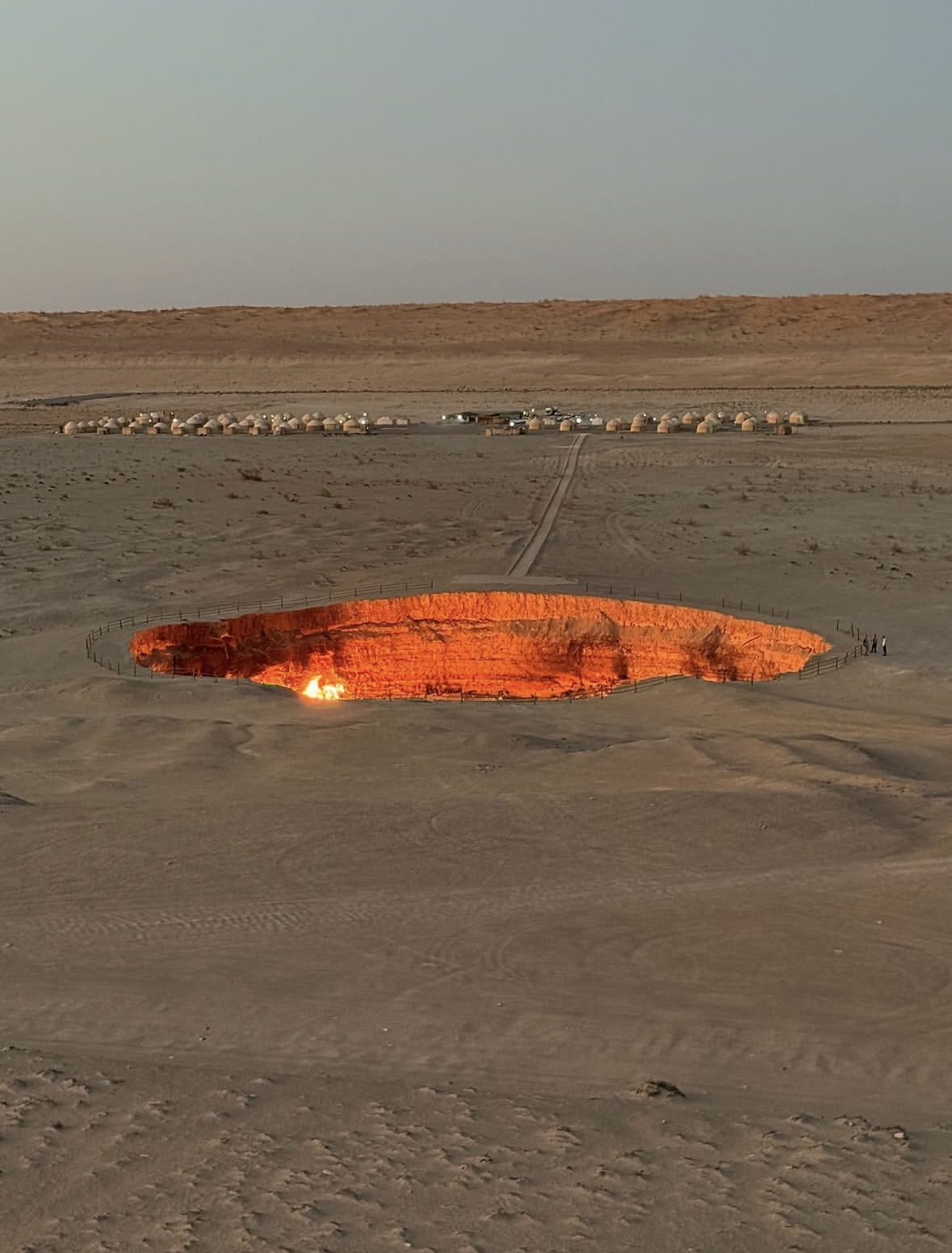
The Darvaza Gas Crater, known as the “Door to Hell,” is one of Turkmenistan’s most iconic natural wonders. Formed in 1971 after a gas-drilling accident, the crater has been burning continuously ever since. It measures roughly 70 meters across and emits an intense, fiery glow. At night, the crater becomes even more dramatic against the quiet desert sky. Visitors describe the scene as otherworldly and unforgettable. The Karakum Desert surrounding Darvaza adds to the sense of adventure. Travelers often camp nearby to experience the crater at sunset and sunrise. The heat, sound, and glow from the flames create a mesmerizing atmosphere. Scientists and explorers continue to study the site’s unusual longevity. The crater symbolizes both nature’s force and the region’s rich gas reserves. Reaching Darvaza requires crossing vast sandy landscapes. Along the way, travelers encounter desert flora and endless horizons. Standing at the crater’s edge is a powerful experience. Darvaza remains a highlight for anyone exploring Turkmenistan’s wilderness.
Merv
Merv, a UNESCO World Heritage Site, is one of Central Asia’s most important historical cities. Its origins date back to the 6th century BCE, making it one of the oldest oasis settlements on the Silk Road. Over time, Merv was ruled by multiple empires, each leaving architectural and cultural layers. In the 12th century, it became one of the largest and most prosperous cities in the world. The ruins of Erk Kala, Gyaur Kala, and Sultan Kala reveal the city’s evolution across centuries. The Sultan Sanjar Mausoleum remains the most iconic monument, with a massive dome visible from afar. Unique mud-brick structures, such as the Kyz Kala fortresses, reflect Merv’s advanced construction traditions. Caravans once arrived here carrying valuable goods from distant lands. Scholars and poets contributed to the city’s reputation as a center of learning. The Mongol invasion in the 13th century brought decline but left behind remarkable archaeological evidence. Today, the site stretches across a vast desert plain. Visitors can wander through old city walls, citadels, and mausoleums. Merv offers a deep look into the history of regional civilizations. Its silent, atmospheric ruins inspire a sense of wonder. For travelers, it remains a key cultural destination in Turkmenistan.
Kunya-Urgench
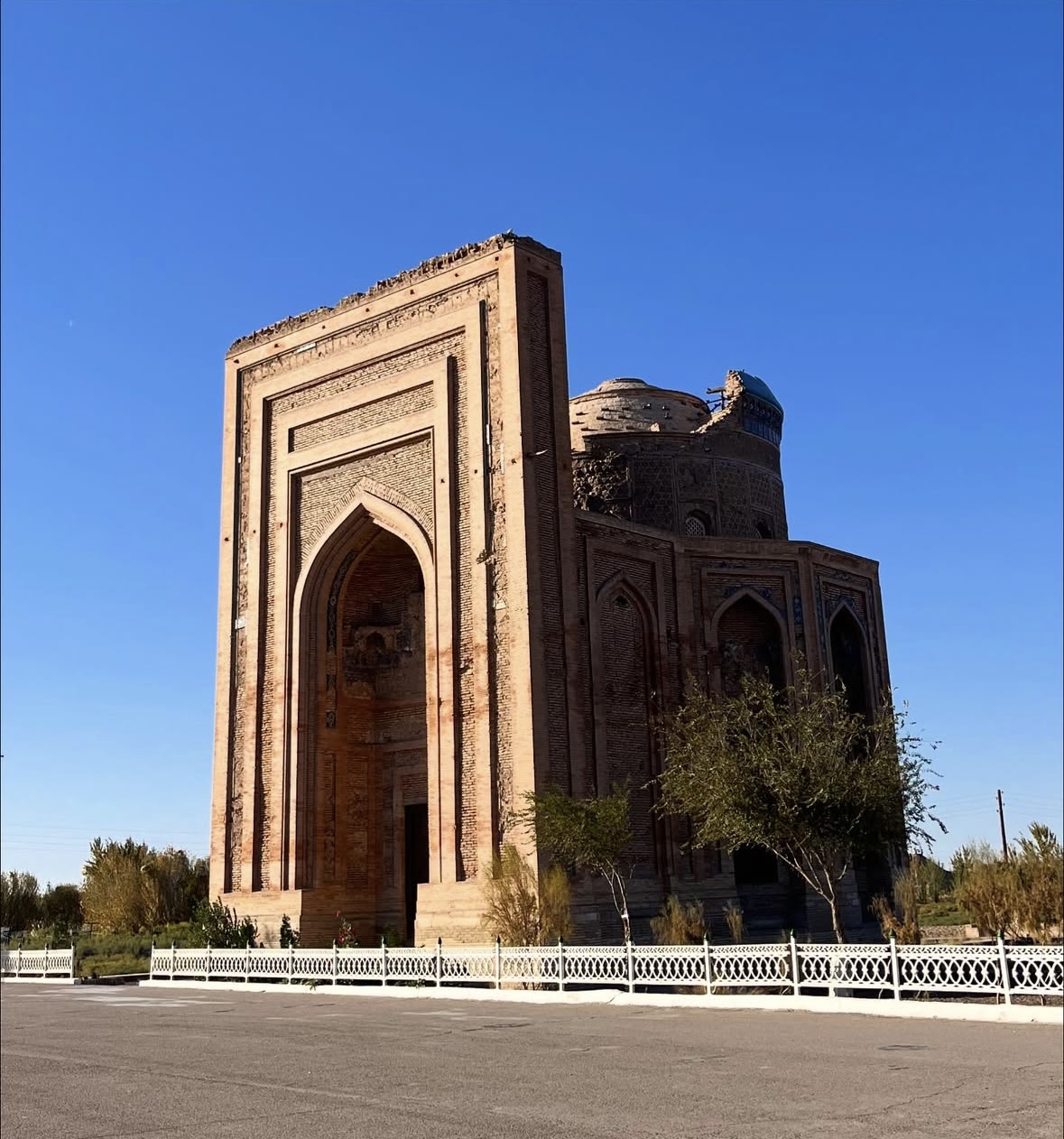
Kunya-Urgench is a historic city and UNESCO World Heritage Site that once served as the capital of the Khorezm Empire. It flourished between the 10th and 14th centuries as a major Silk Road center. The impressive Kutlug-Timur Minaret, nearly 60 meters tall, dominates the landscape. The Tekesh Mausoleum, with its turquoise dome, is another architectural highlight. Intricate brickwork on structures such as the Il-Arslan Mausoleum reflects the region’s artistic achievements. Despite the devastation caused by the Mongol invasion, many monuments survived. The site includes remnants of mosques, caravanserais, and city walls. Pilgrims still visit Kunya-Urgench for its spiritual significance. The peaceful atmosphere contrasts with its once-bustling past. Scholars once traveled here to study mathematics, astronomy, and theology. The surrounding plains enhance the sense of historical depth. Archaeological research continues to uncover new information about ancient Khorezm. Walking among the ruins feels like stepping back in time. Kunya-Urgench remains one of Turkmenistan’s most captivating historical sites.
Yangykala Canyons
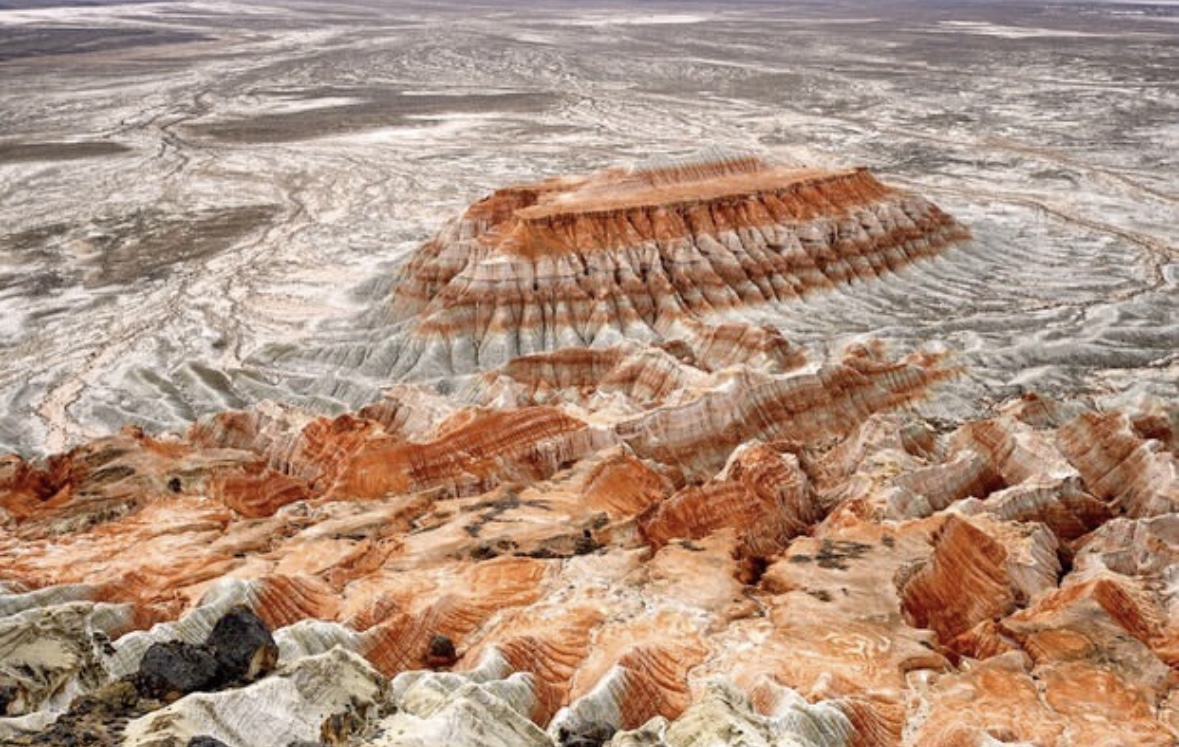
The Yangykala Canyons are among Turkmenistan’s most spectacular natural formations. Their brightly colored cliffs create a landscape that feels almost unreal. Shades of red, pink, and white change throughout the day with the shifting light. The name “Yangykala” means “fiery fortress,” perfectly describing the dramatic rock walls. Millions of years ago, this region was covered by an ancient sea. The layered rocks still preserve traces of that geological past. Visitors often come for the breathtaking views at sunrise and sunset. The area’s remoteness adds to its untouched beauty. Reaching the canyons requires traveling through quiet desert roads. Once there, the vast silence is striking. The rugged formations stretch for kilometers across the horizon. Photographers and adventurers find endless inspiration here. Camping near the cliffs offers a peaceful night under the stars. Yangykala represents the raw and natural side of Turkmenistan. It remains one of the most impressive scenic destinations in the country.